http://go.galegroup.com/ps/retrieve.do?sgHitCountType=None&sort=RELEVANCE&inPS=true&prodId=GVRL&userGroupName=fl_sarmddl&tabID=T003&searchId=R4&resultListType=RESULT_LIST&contentSegment=&searchType=BasicSearchForm¤tPosition=1&contentSet=GALE%7CCX3411400012&&docId=GALE|CX3411400012&docType=GALE
http://go.galegroup.com/ps/retrieve.do?sgHitCountType=None&sort=RELEVANCE&inPS=true&prodId=GVRL&userGroupName=fl_sarmddl&tabID=T003&searchId=R4&resultListType=RESULT_LIST&contentSegment=&searchType=BasicSearchForm¤tPosition=6&contentSet=GALE%7CCX3408502785&&docId=GALE|CX3408502785&docType=GALE
http://go.galegroup.com/ps/retrieve.do?sgHitCountType=None&sort=RELEVANCE&inPS=true&prodId=GVRL&userGroupName=fl_sarmddl&tabID=T003&searchId=R3&resultListType=RESULT_LIST&contentSegment=&searchType=BasicSearchForm¤tPosition=2&contentSet=GALE%7CCX3437800326&&docId=GALE|CX3437800326&docType=GALE
http://go.galegroup.com/ps/retrieve.do?sgHitCountType=None&sort=RELEVANCE&inPS=true&prodId=GVRL&userGroupName=fl_sarhs&tabID=T003&searchId=R3&resultListType=RESULT_LIST&contentSegment=&searchType=BasicSearchForm¤tPosition=1&contentSet=GALE%7CCX2830900062&&docId=GALE|CX2830900062&docType=GALE
Friday, December 19, 2014

Friday, December 5, 2014
Apod 2.5
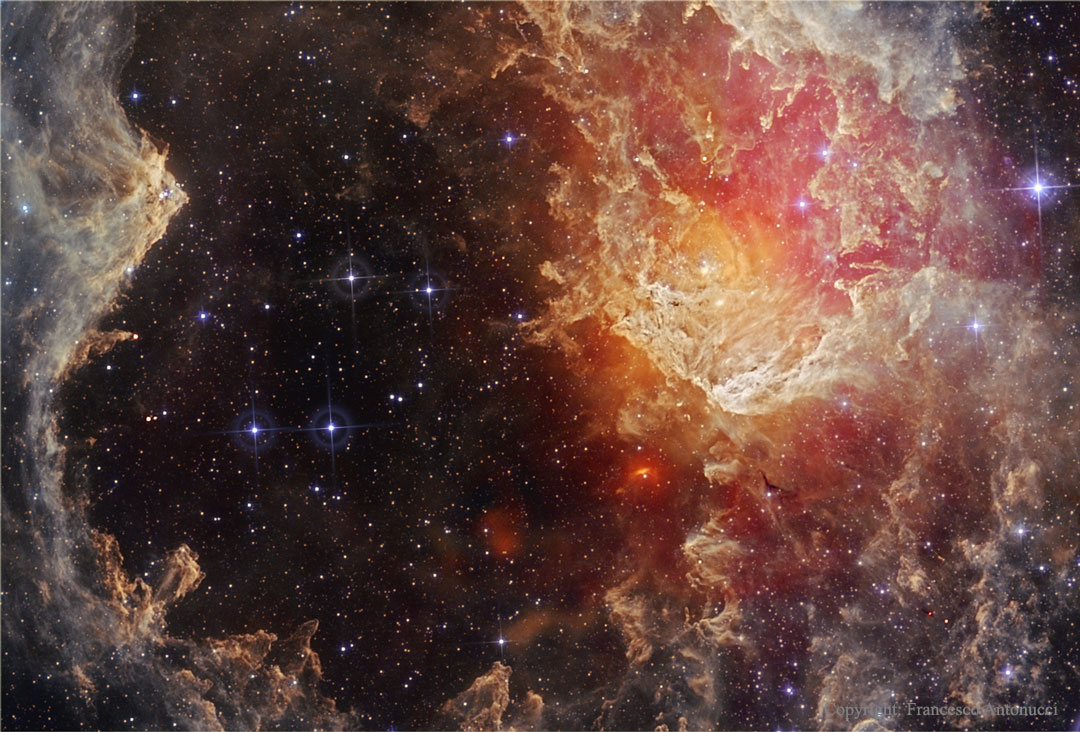
This amazing picture is made up of young stars and cosmic pillars of gas and dust. The reddish lighting to the right is NGC 7822, it looks like the objects have covered it in a way that makes it look 10x as better. One is also able to see Cepheus the King, the constellation. Cepheus is circumpolar and looks like a house. This picture was taken in infrared light by NASA's Wide Field Infrared Survey Explorer (WISE). The "clouds" are powered by a stars, in this case The Sun, emitting energetic radiation An interesting fact is that in these pillars of heat, stars can be born. This picture may look like a small fraction of the sky, however in reality it spans around forty light-years and that is also the estimated distance of NGC.
Friday, November 21, 2014
APOD 2.4
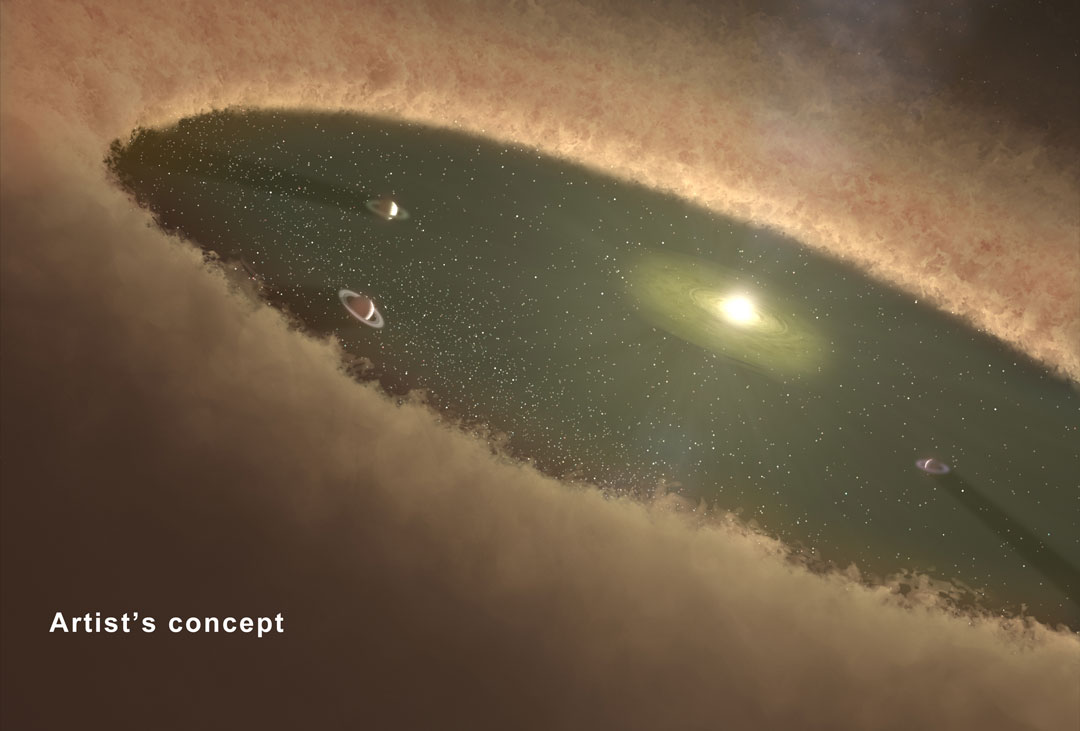
This is an artist's rendition of a dusk disk. It was made to discover what other solar systems look like. It could look like ours or the planets could be in a vertical row revolutionizing at the same time. Dusk disks are made from nearby stars and can only be seen when using infrared. The idea of making this picture was from the NASA Spitzer Space Telescope and ESA's Herschel Space Observatory. In this painting there are two dusk disks, one made by parent star other is farther out. You can see it in this picture, the bright golden dot is the parent star, while the outside is the other dust disk. They are made when planets repel and absorb dust from their gravity. The star here is the HD 95086, it is a blue star and is 60% more massive than our sun. You can see this star with binoculars if you look at the constellation Carina.
Friday, November 14, 2014
APOD 2.3
APOD 2.3
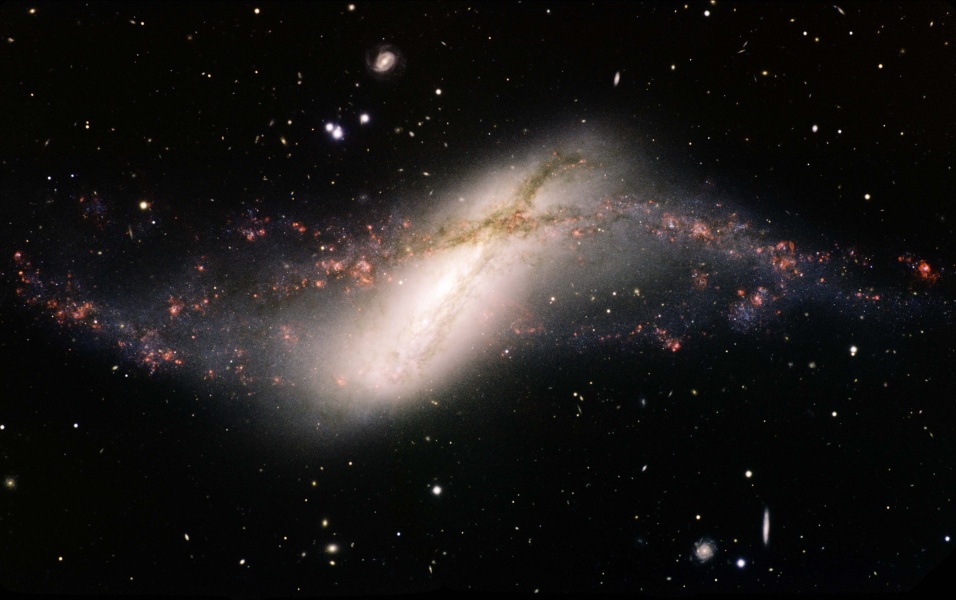
This is a snapshot from the Gemini North telescope. This amazing snapshot was of the Polar Ring Galaxy or NGC 660. The Gemini telescope has a sharp composite of broad and narrow band filter, making this image even more amazing than it is. A cool fact is that Polar Ring Galaxies are seldom and have a substantial population of starts, gas, and dust orbiting in rings close to the galactic disk. This looks soo amazing partly because of the bizarre-looking configuration caught materials from a nearby galaxy passing through this one. The polar ring component can also be used to explore the shape of the galaxy's that cant be seen such as the dark mater halo. Also the gravitational pull from this galaxy is the reason for the myriad pinkish star forming regions along the NGC 660.
Friday, November 7, 2014
Apod 2.2
APOD 2.2
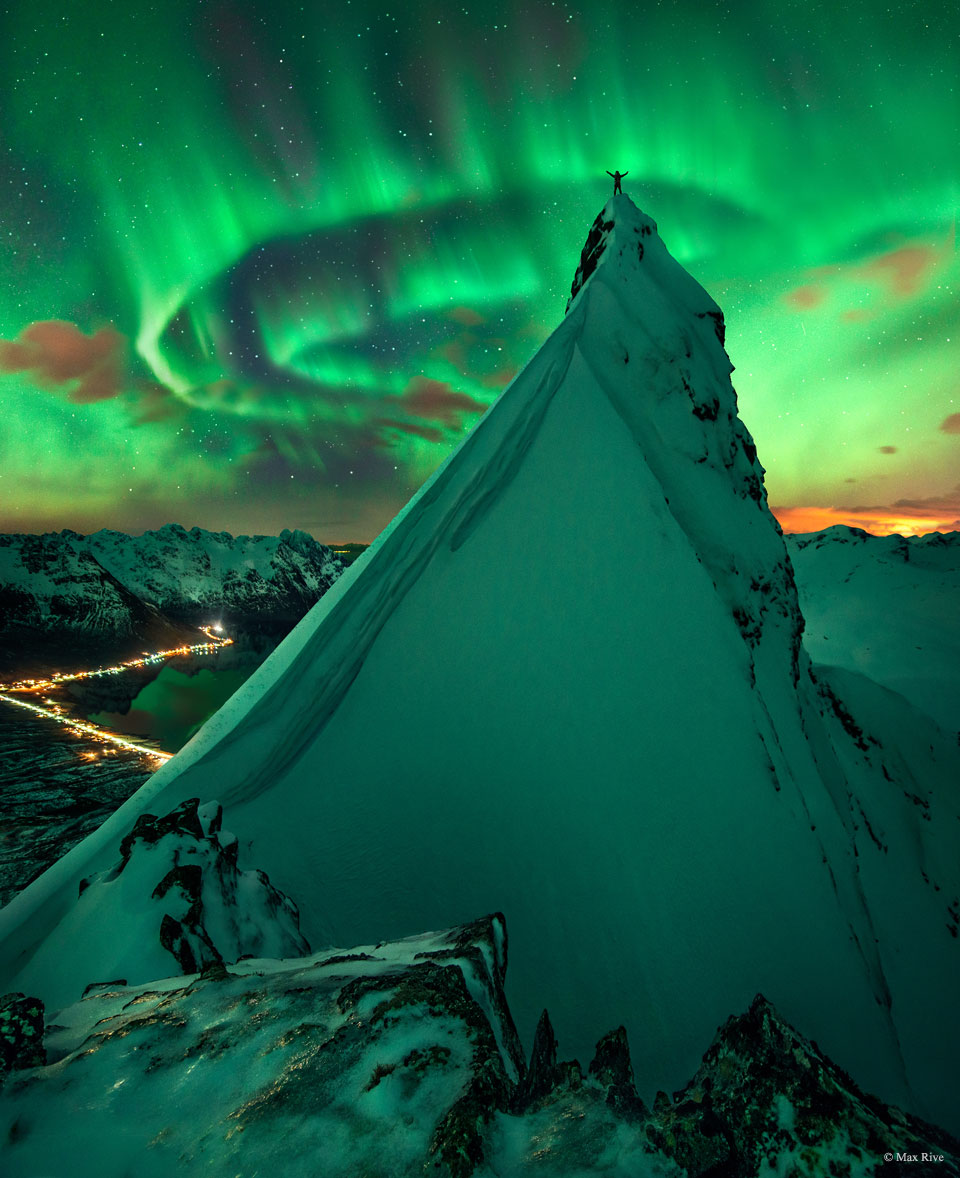
This is an aurora in Norway. The people that were taking this photo had tried three times. The first two nights it was to cloudy, however the last night, there was an aurora with little clouds. This was surely a spectacular event for the people of Norway. I wish I could have been there with them. This was probably very dangerous because the man is standing on the pinnacle of the mountain. An aurora is created when the electromagnetic waves are disrupted creating a colorful display. The area this was taking place was the Austnesfjorden fjord, which is close to the town of Svolvear on the Lofoten islands in the North. Also the sun has an eleven year magnetic cycle.
Friday, October 31, 2014
APOD 2.1
APOD 2.1

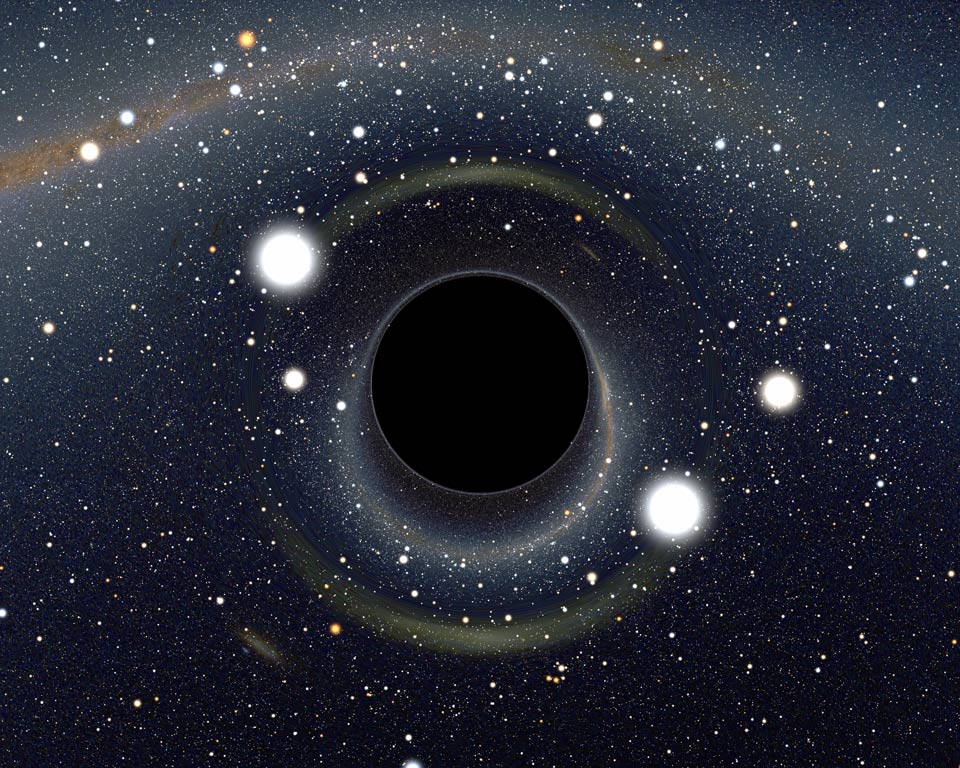
This is a computer generated picture of what a black hole would look like. As you can see there is a circle of light surrounding it. This is created because black holes have such immense gravity, that it literally sucks light into it. This makes it distorted and bent. Because of this bent light you will see unusual distortions. An interesting fact is that black holes are believed to be the densest state of matter. The background of the computer generated black hole was taken by the 2MASS infrared sky survey, However no one has ever seen what a black hole looks like when entering, this is because you get torn to pieces because of the gravity it has. Another interesting fact is that black holes are worm holes, meaning they lead to somewhere else in space. If learn how to go through these black holes and survive, we could in the future create space travel, and might even see a new organism.
This is a computer generated picture of what a black hole would look like. As you can see there is a circle of light surrounding it. This is created because black holes have such immense gravity, that it literally sucks light into it. This makes it distorted and bent. Because of this bent light you will see unusual distortions. An interesting fact is that black holes are believed to be the densest state of matter. The background of the computer generated black hole was taken by the 2MASS infrared sky survey, However no one has ever seen what a black hole looks like when entering, this is because you get torn to pieces because of the gravity it has. Another interesting fact is that black holes are worm holes, meaning they lead to somewhere else in space. If learn how to go through these black holes and survive, we could in the future create space travel, and might even see a new organism.
Sunday, October 19, 2014
Observation Post # 4 EP. 201 Titan
Titan is Saturn's largest moon, and it is the second largest moon in our solar system. This moon is unique is because it has an atmosphere. In 1655, Christiaan Huygens found Saturn's moons, or at least Titan. In 1887, a guy decided to name the moons as titans. Titan is bigger then The moon,and is bigger than Mercury, the volume and radius is. This is humongous! If Titan was orbiting the Son, than it would be a planet.
Titan's is made of Hydro-Carbon, and it produces Methane for an unknown reason. Its atmosphere is really thick, and the top layer of the atmosphere repels light, but if some do make it, it creates a greenhouse effect when penetrating the thick atmosphere. Titan has low gravity, thick atmosphere, creates a world that you could actually fly. On Titan, Methane is able to exist as a liquid, acting like our water system, but with Methane. Titan is also one of the most explored places in the solar system.
The Cassini-Huygens mission that's goal was to go to Titan and explore the moon Titan. Unfortunately Titan is dark and it was hard to take pictures.
When astronomers say things are methane-rich, they are talking about 1 or 2% rich of methane. Evidence for life requires extraordinary process, but Titan has not shown this this nor Mars. In the future astrologist plan to go to Saturn.
Titan is similar to Earth's primordial state. This means that Titan could pose as an explanation for how we were created, how life was created. The only drawback is that Titan is much colder than Earth was. Life can still start on Titan if the right chemical process happens, there could be life on Titan.
All in all, Titan is a very unique planet, that might lead us to how Earth started. Titan has an atmosphere, but is not a planet, which makes it even more crucial to study. It has a thick atmosphere, so little sun penetrates it, but once the light is in the moon, it cannot get out.
Titan's is made of Hydro-Carbon, and it produces Methane for an unknown reason. Its atmosphere is really thick, and the top layer of the atmosphere repels light, but if some do make it, it creates a greenhouse effect when penetrating the thick atmosphere. Titan has low gravity, thick atmosphere, creates a world that you could actually fly. On Titan, Methane is able to exist as a liquid, acting like our water system, but with Methane. Titan is also one of the most explored places in the solar system.
The Cassini-Huygens mission that's goal was to go to Titan and explore the moon Titan. Unfortunately Titan is dark and it was hard to take pictures.
When astronomers say things are methane-rich, they are talking about 1 or 2% rich of methane. Evidence for life requires extraordinary process, but Titan has not shown this this nor Mars. In the future astrologist plan to go to Saturn.
Titan is similar to Earth's primordial state. This means that Titan could pose as an explanation for how we were created, how life was created. The only drawback is that Titan is much colder than Earth was. Life can still start on Titan if the right chemical process happens, there could be life on Titan.
All in all, Titan is a very unique planet, that might lead us to how Earth started. Titan has an atmosphere, but is not a planet, which makes it even more crucial to study. It has a thick atmosphere, so little sun penetrates it, but once the light is in the moon, it cannot get out.
Subscribe to:
Posts (Atom)